
The Return of Real Materials…did they ever leave?? Why timber, stone, linen and imperfection are resonating more than ever
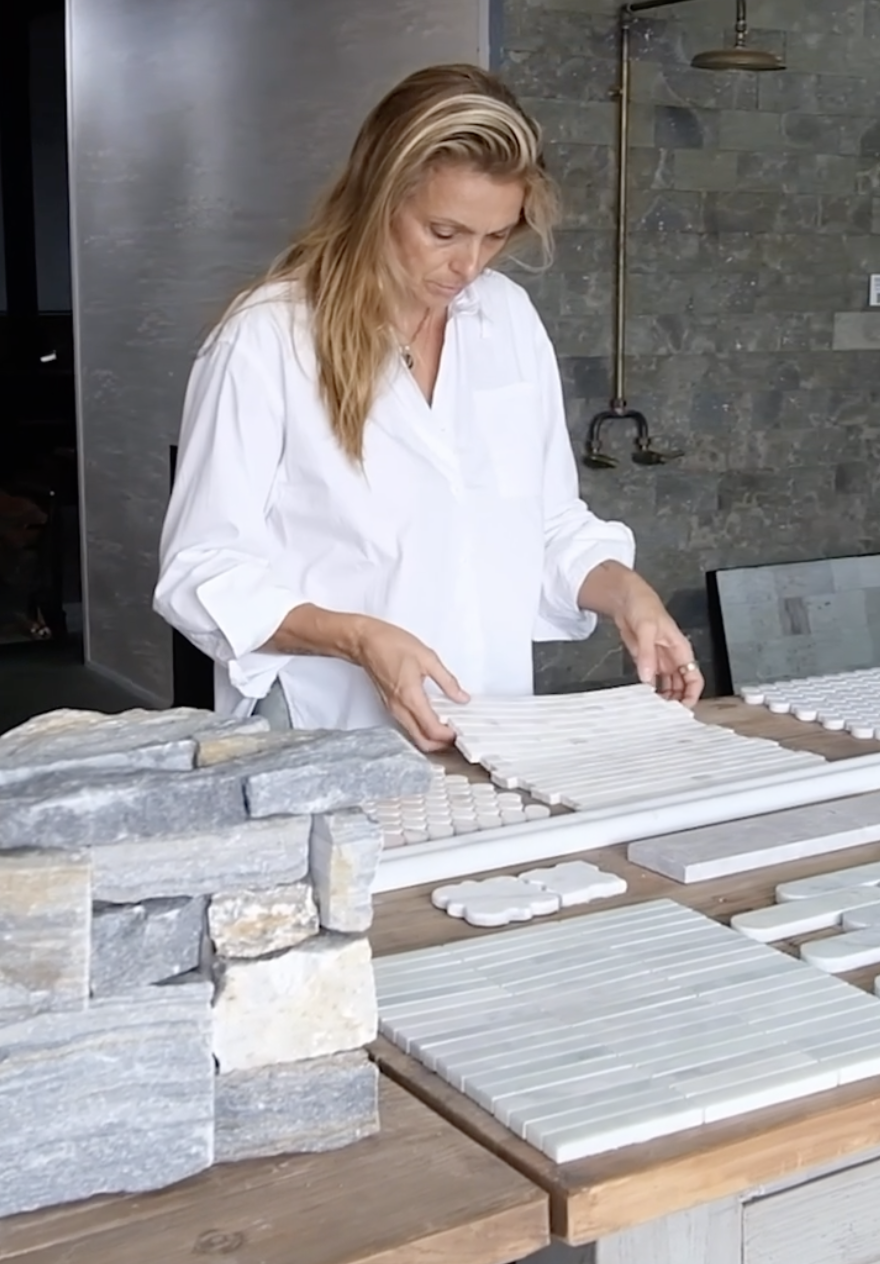
A lot of modern materials are trying very hard to be something they're not.
Timber-look floors. Stone-look benchtops. Concrete-look tiles. Even timber-look aluminium now exists, which feels like we've officially entered a world where we're constantly trying to replicate the real thing without having to live with it.
And I understand why. We want things that are durable, easy to maintain and resistant to the messiness of everyday life. We want surfaces that won't mark, scratch, fade or show evidence that anyone actually lives there.
But I've started to wonder if, somewhere along the way, we've confused perfection with quality.
One of my favourite pieces of furniture is a Timothy Oulton leather sofa I've owned for years. It's travelled with me through six different homes, each completely different in style and personality. It's been the hero piece in every one of them. It's also covered in scratches. The kids have climbed all over it. Dogs have claimed it as their own. There are marks from everyday life that no amount of conditioning or careful maintenance will ever completely erase. And I genuinely wouldn't change a thing.
The leather is a beautiful buttery-soft aniline leather, the kind that develops character rather than simply wearing out. Every mark tells a story. Every scratch reminds me that it has been used exactly as it was intended to be used. The sofa hasn't become less beautiful over time. It's become more beautiful because of the life that's happened around it.
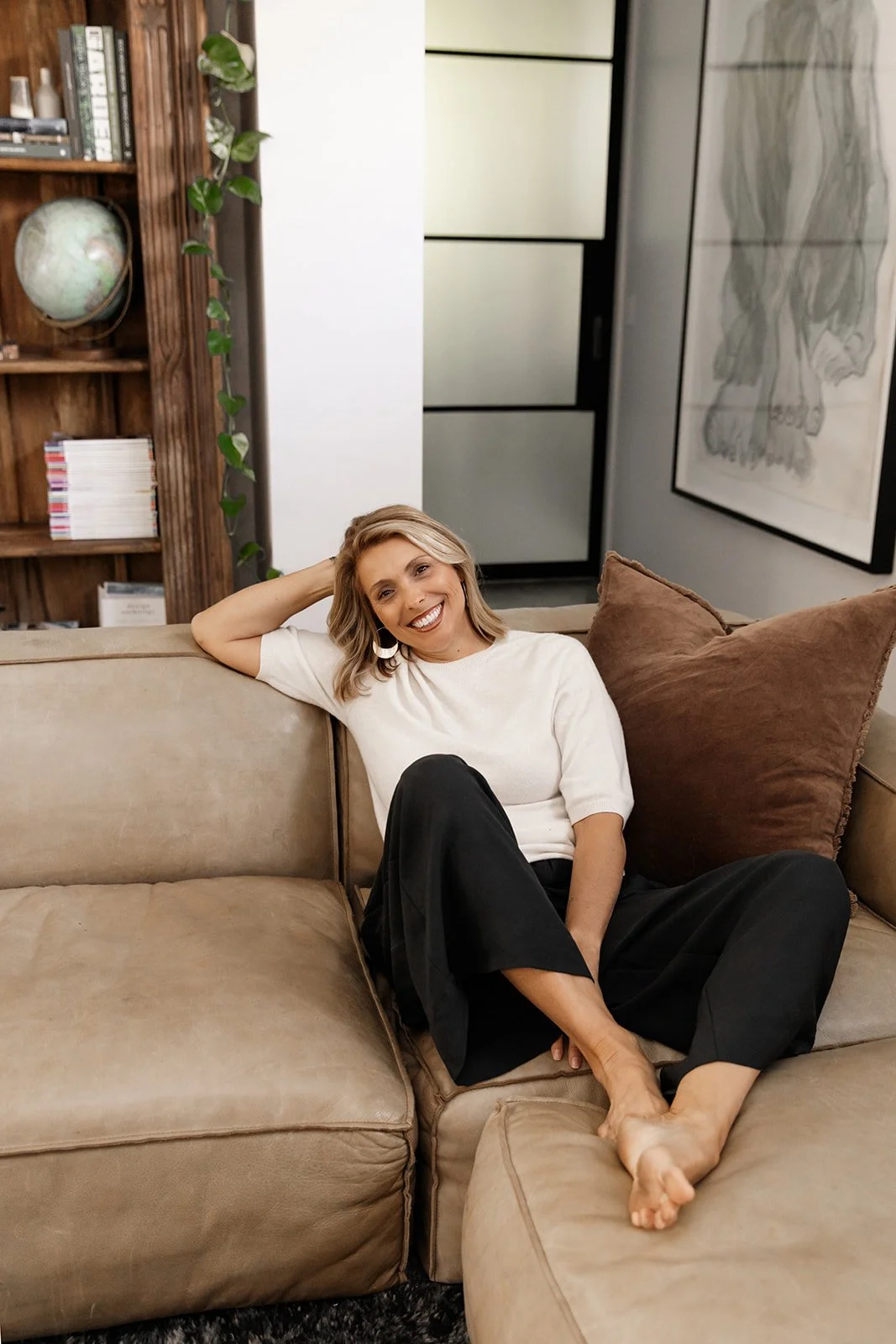
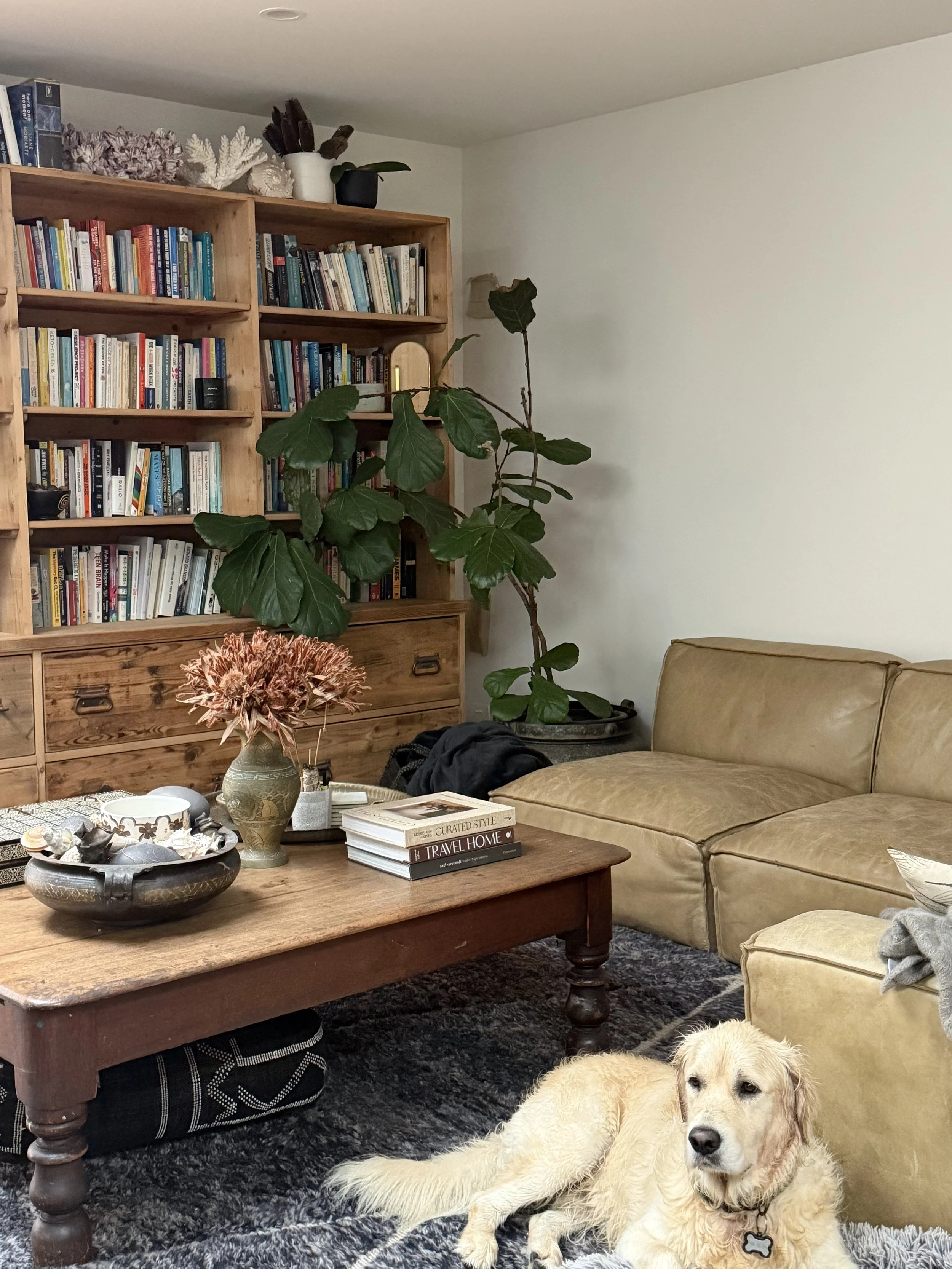
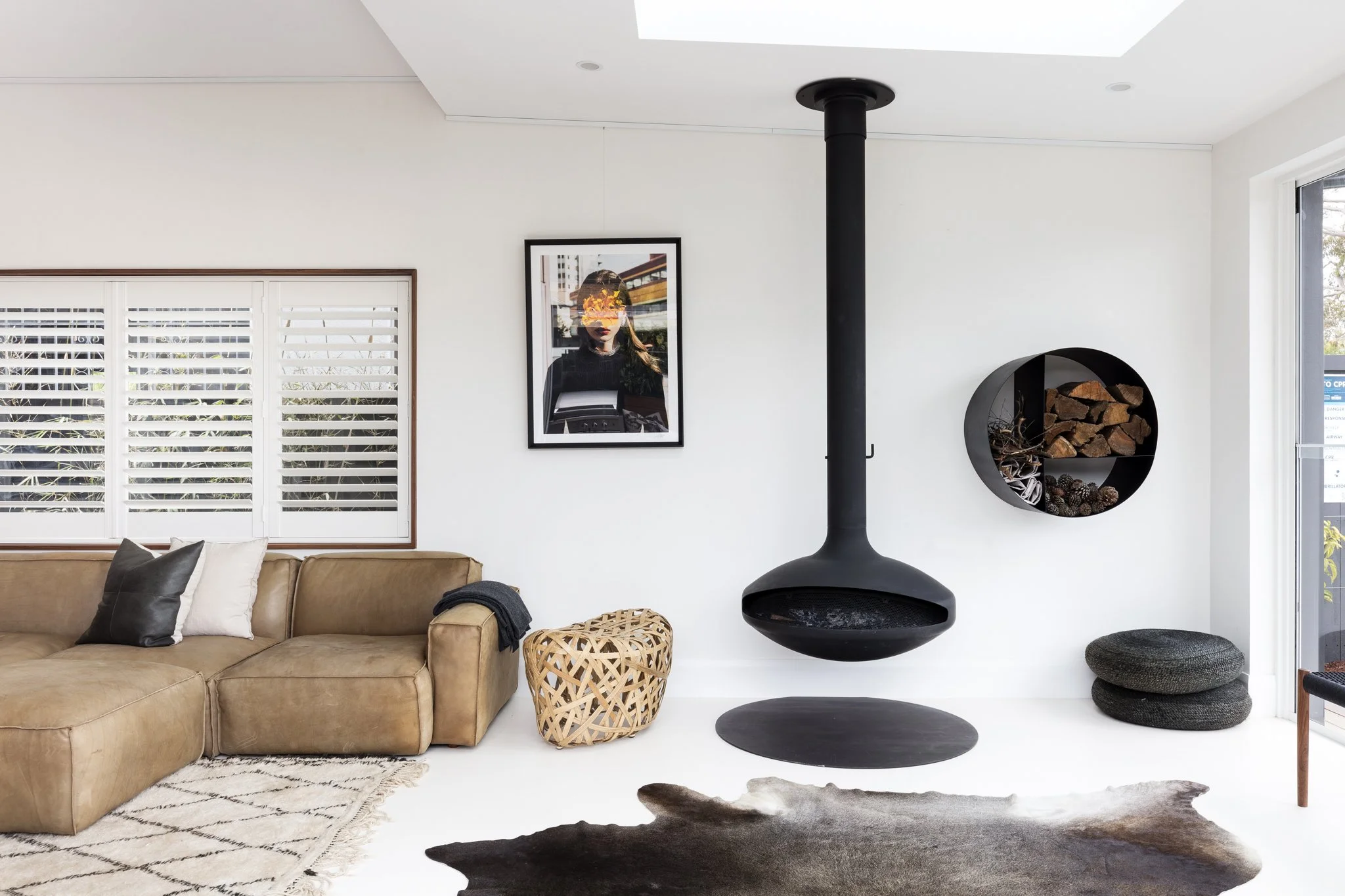
Anyone who knows me knows this probably isn't surprising. I've always had an almost exclusive love affair with natural materials. It's one of the most consistent threads running through my work and my homes over the past twenty years.
Whether it's a project through The Designory, one of our development projects, or my own home by the coast, I've always gravitated towards materials in their most honest form. Timber that reveals its grain. Stone with movement and variation. Linen that wrinkles. Handmade tiles that aren't perfectly uniform. Materials that carry evidence of where they've come from and continue to evolve over time.
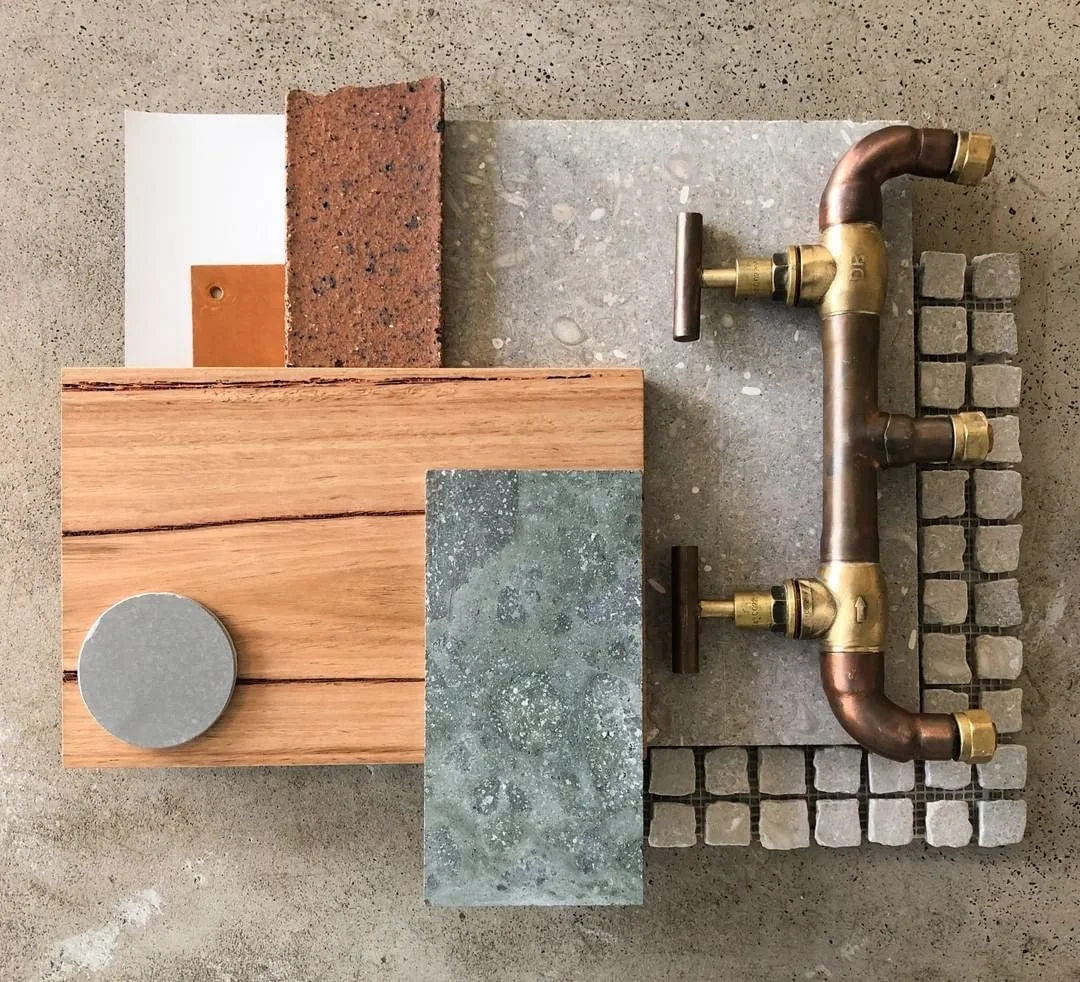
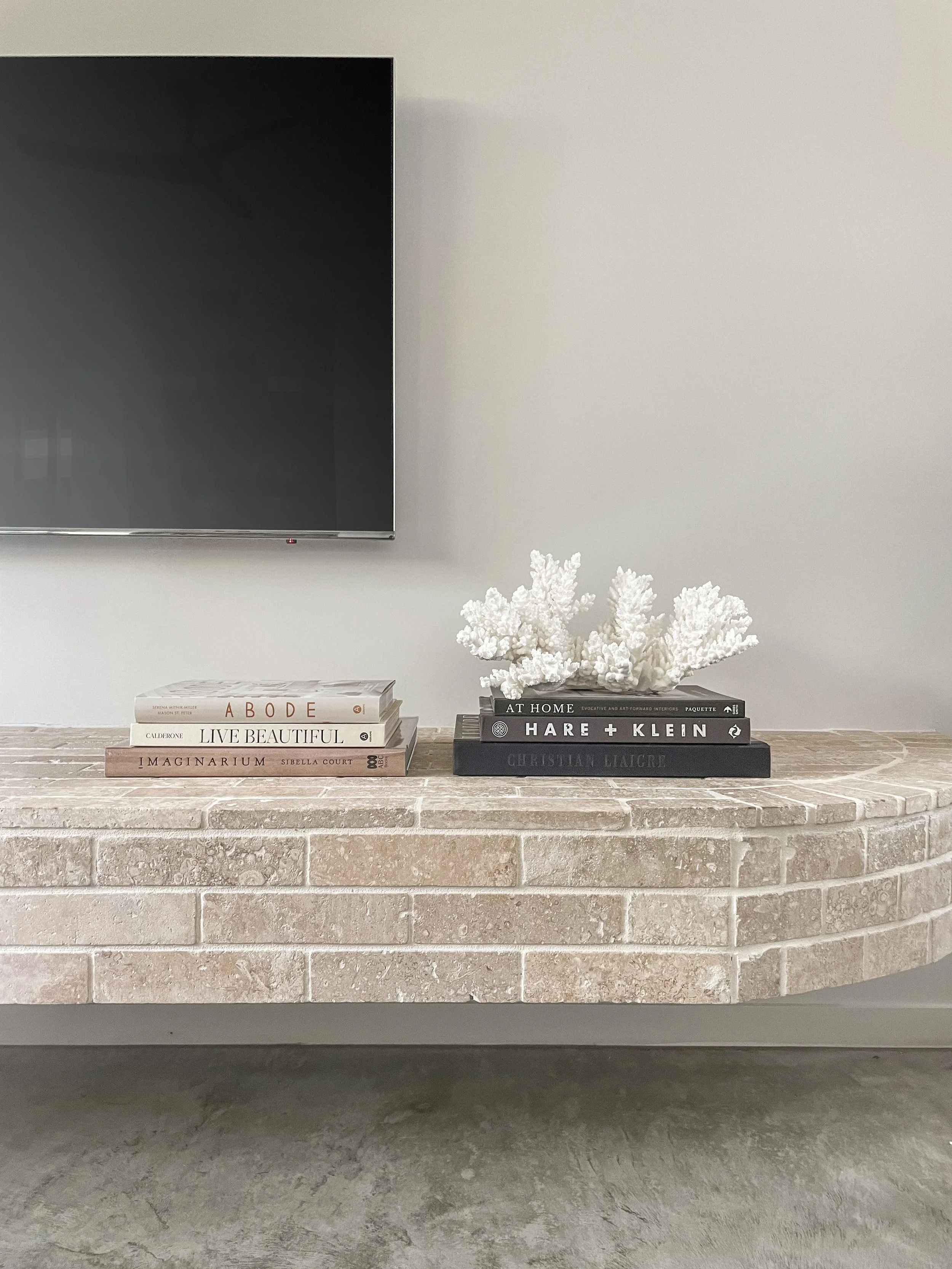
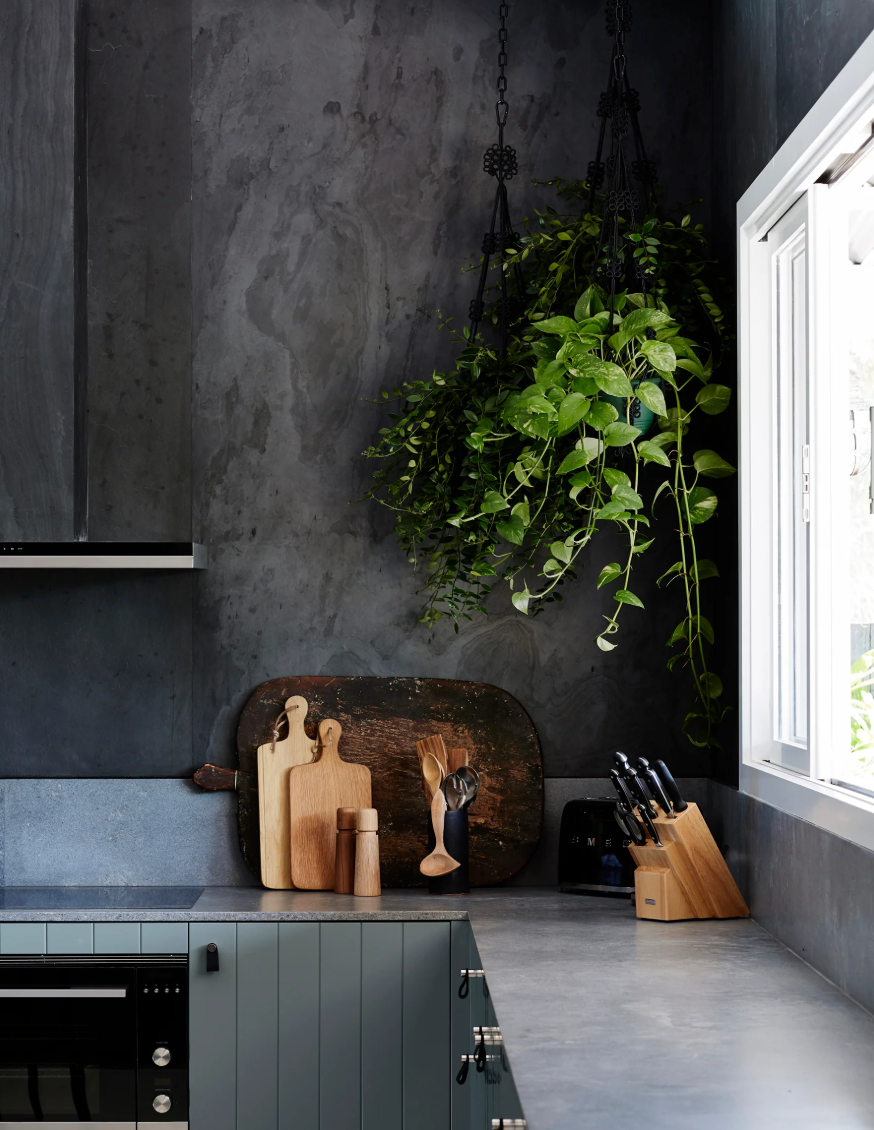
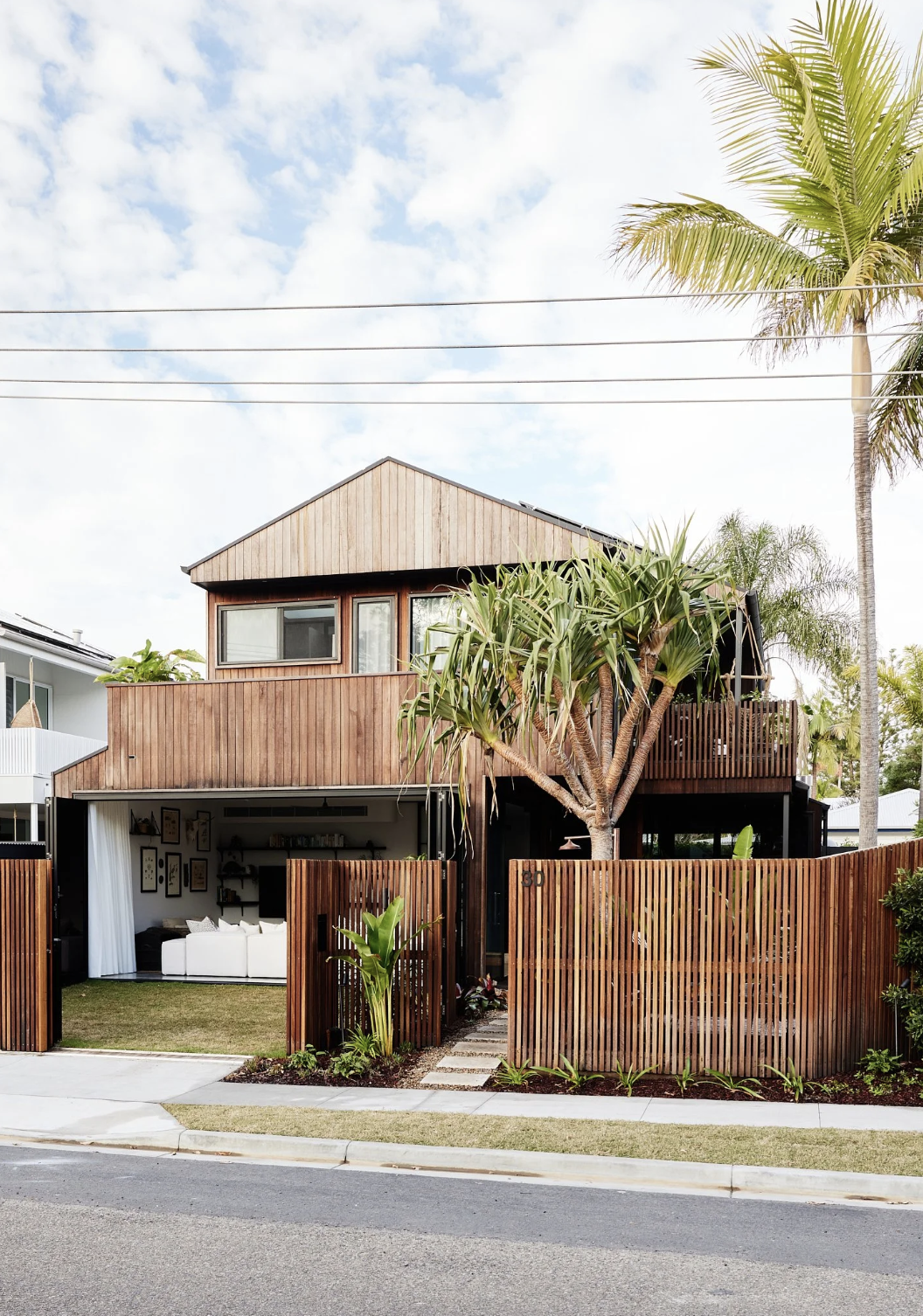
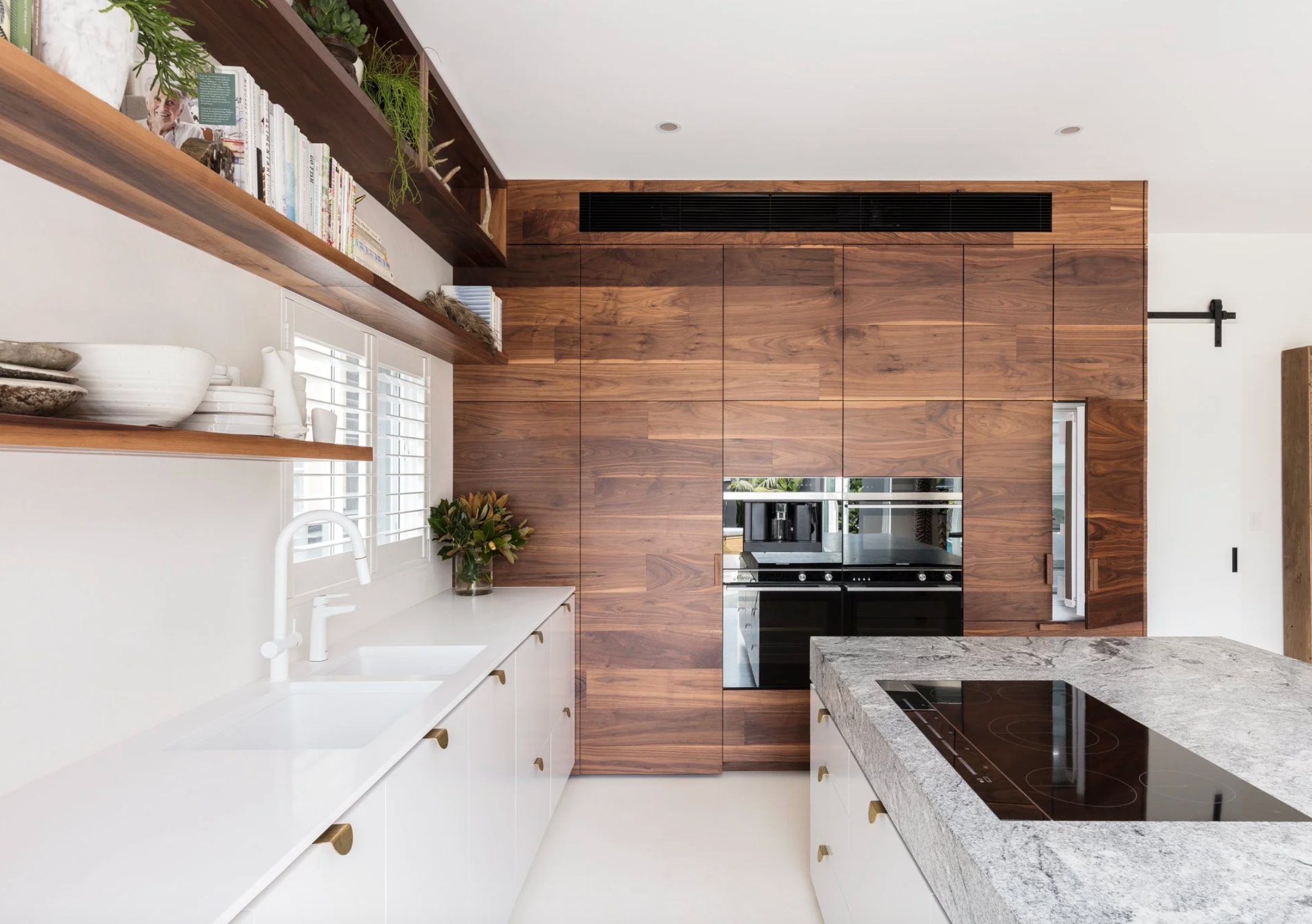
Long before it became fashionable, our projects became known for their use of natural and raw materials wherever possible. Not because they were trending, but because they felt timeless. They connected people to nature, to place and to the landscape around them. They brought warmth and depth into a home in a way that synthetic alternatives rarely achieve. I've always believed that the materials we surround ourselves with influence how we feel. Not just visually, but physically and emotionally. And perhaps that's why they're resonating so strongly right now.
We're living in an increasingly digital world. Much of our day is spent looking at screens, consuming images and interacting with things that exist in a virtual space. Everything is curated, optimised and endlessly edited. We can generate entire worlds with artificial intelligence and order almost anything with the click of a button.
Yet despite all of that convenience, many of us seem to be craving something more tangible. Something real. I think that's why the conversation around materials has shifted beyond aesthetics. We're paying more attention to how things feel. The weight of a solid timber dining table. The coolness of natural stone beneath your hand. The texture of linen curtains moving in the breeze. The warmth of worn leather. The uneven edge of a handmade ceramic bowl.
These things engage our senses in a way that manufactured perfection simply can't.
Living by the ocean, I'm reminded of this constantly. Nature doesn't strive for perfection. The timber boardwalk silvers in the sun. The dunes shift with the wind. Salt air leaves its mark on everything. The landscape is beautiful precisely because it changes. Nothing is static. Nothing stays pristine. And maybe that's why overly polished interiors can sometimes feel disconnected from the way we actually live.
One of the advantages of working across design, development and property for as long as I have is that I've had the opportunity to revisit projects years later. You get to see what lasts. What improves. What settles into itself over time. And almost without exception, it's the natural materials that continue to reveal their value.
The engineered products often look their best on day one. Natural materials rarely do. They soften. They deepen. They develop character. They become more connected to the life unfolding around them.
There's an important distinction here between ageing and degrading. The best materials don't become less beautiful over time. They become richer. The timber table with a few marks from family dinners. The stone bench that has hosted years of cooking and conversation. The leather sofa that has been loved by children, dogs and generations of guests. These aren't flaws. They're evidence of a life being lived. And perhaps that's what we're really craving right now.
Not perfection. Not preservation. But authenticity. A home that feels grounded. A home that allows life to leave a trace. A home that doesn't ask us to tiptoe around it. Because in a world that often feels uncertain, fast-moving and increasingly artificial, there is something incredibly reassuring about being surrounded by things that are real.
Things that age. Things that soften. Things that remind us that beauty was never supposed to be perfect in the first place.