
The Cost of Living Has Changed How We Live
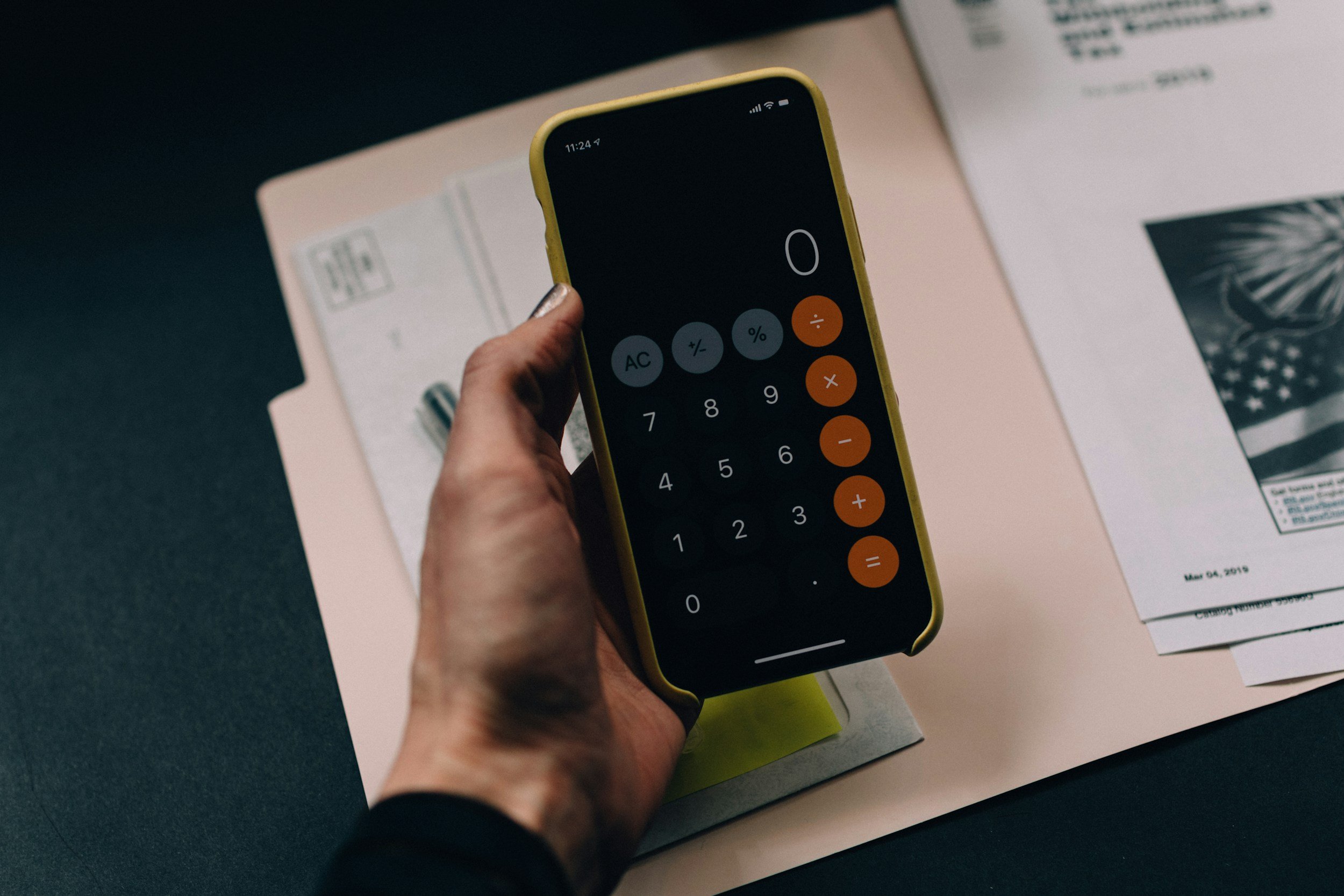
There’s no denying it — life feels more expensive right now.
Not just groceries and electricity bills and insurance premiums (although somehow all of those seem to arrive at once). But emotionally too. Mentally. The weight of modern life feels heavier than it did a few years ago.
And I think that pressure is quietly reshaping the way we think about our homes.
For a long time, the conversation around design felt very aspirational. Bigger renovations. More space. More bathrooms. More joinery. More “must-haves”. Entire industries built around convincing us that our homes were always one project away from finally being enough.
But lately, I’ve noticed a shift.
People are becoming more thoughtful. More selective. More honest about what actually improves their everyday life — and what simply looks good on paper, or online, or in someone else’s house. And honestly? I think that’s a good thing.
Because when money feels tighter, priorities become clearer. You stop asking: “What else can we add?” And start asking: “What do we really need?”
That shift changes everything.
It changes the way we renovate. The way we furnish. The way we consume. It even changes the way we define luxury. I’ve found myself thinking about this in my own home lately. Not from a place of scarcity — but from a place of awareness. What actually makes a difference to how we live every day? It’s rarely the big flashy thing.
It’s the armchair that everyone gravitates towards because it’s genuinely comfortable. The timber dining table that handles homework, dinners, work calls and red wine without complaint. Good lighting. Beautiful linen sheets. A window left open enough to hear the ocean at night.
The things that earn their place.
And maybe that’s the real shift happening right now. We’re becoming less interested in performative luxury and more interested in supportive living. Less obsessed with “the reveal”. More focused on how a space feels six months later, on an ordinary Tuesday, when life is happening everywhere all at once. Because the reality is, most people don’t want to gut their entire home every five years. They don’t necessarily want the enormous renovation with imported stone and twenty decisions a day.
Sometimes they just want the house to function better. To feel calmer. Warmer. More resolved.
Sometimes a fresh coat of paint, better lighting, rethinking a layout, or finally investing in the sofa you actually want can shift the feeling of a home entirely. And I think there’s something refreshing about that.
A move away from excess for the sake of it.
A move away from treating homes like status symbols or investment portfolios first and places to actually live second.
Because when the cost of everything rises, value starts to mean something different.
Value becomes:
Will this last?
Will this age well?
Will this make daily life easier?
Will I still love this in ten years?
Does this genuinely improve the way we live?
Not:
Will this impress people online?
I also think Australians, in particular, are becoming more conscious of this balance. We’ve always had a slightly more relaxed relationship with home than some parts of the world. We want beauty, yes — but we also want ease. We want spaces that can handle sandy feet, wet bathers, dogs on the furniture, friends dropping in unexpectedly.
Real life.
And maybe that’s why the conversation around luxury is changing so noticeably now. The aspiration isn’t perfection anymore. It’s ease.
It’s creating homes that feel grounding amidst the noise. Homes that support us emotionally, financially and practically. Homes that don’t constantly ask for more money, more maintenance, more upgrading. Just… homes that work.
Beautifully, honestly, imperfectly.
Because in a world where everything feels like it’s accelerating, there’s something incredibly luxurious about feeling content with what you already have.